The Untold Truth About Muscle Loss and GLP-1 Drugs
SF
Understanding Muscle Loss and GLP-1 Drugs
Muscle loss is a concern for many as they age, but recent discussions have also brought it into the spotlight concerning GLP-1 drugs. These medications, primarily used for diabetes management, have gained attention for their potential impact on muscle mass. Understanding this connection is crucial for anyone considering or currently using these drugs.
GLP-1, or glucagon-like peptide-1, is a hormone involved in blood sugar regulation. Drugs that mimic this hormone's effects help manage type 2 diabetes by enhancing insulin secretion and reducing appetite. However, their influence on muscle tissue is less widely discussed.
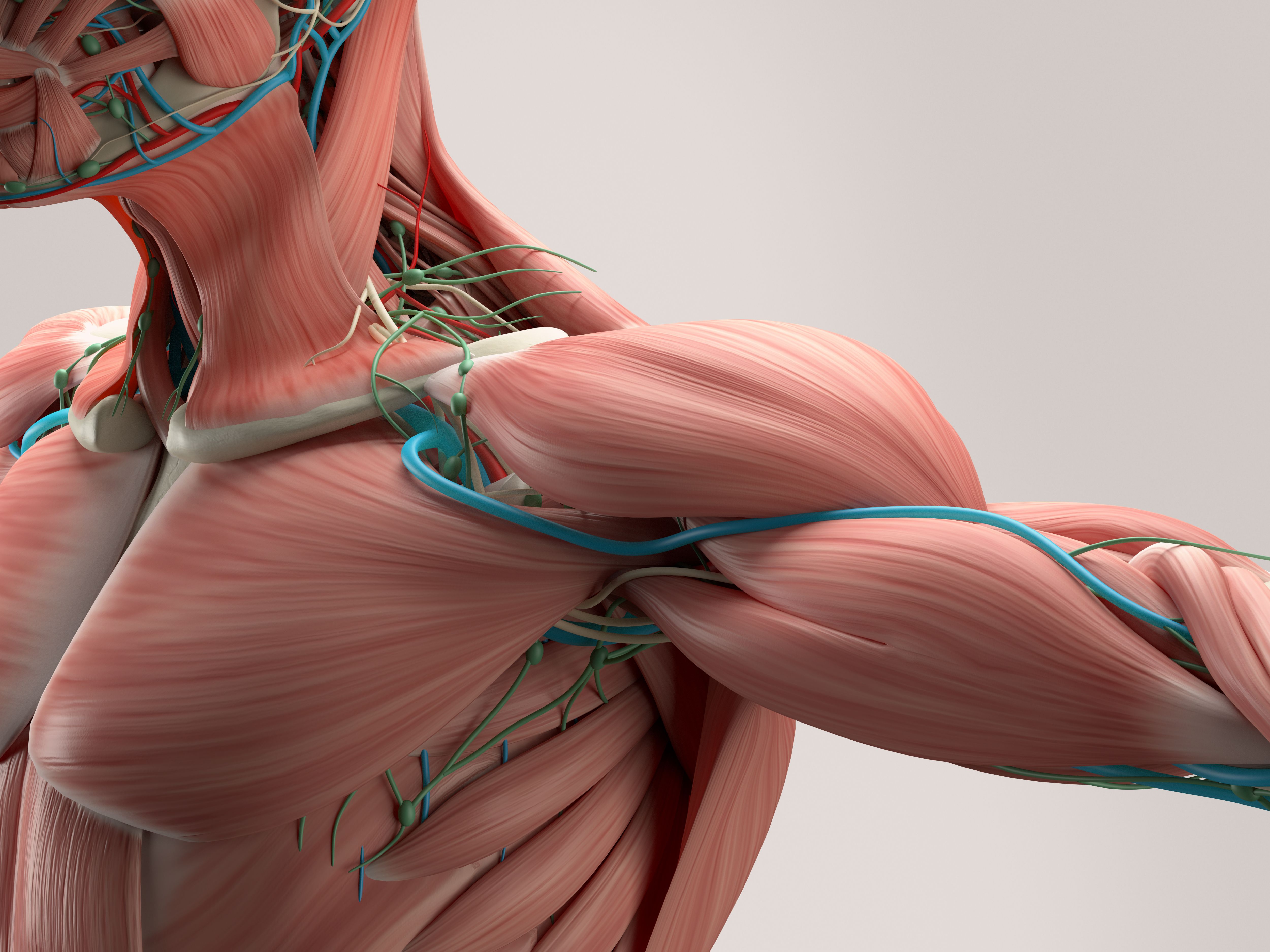
The Role of GLP-1 Drugs
GLP-1 drugs, such as semaglutide and liraglutide, have shown promise in weight management and diabetes control. They work by slowing gastric emptying, stimulating insulin release, and reducing appetite. While these effects are beneficial for weight loss, they may also lead to unintended muscle mass reduction.
Research indicates that while these drugs support weight loss, the weight shed may not be solely from fat. Some studies suggest a portion of the loss may come from muscle, raising concerns about long-term health implications, particularly in older adults.
Why Muscle Loss Matters
Maintaining muscle mass is vital for overall health and mobility. Muscles support metabolism, aid in daily activities, and contribute to balance and strength. Losing muscle can lead to decreased physical performance, increased frailty, and a higher risk of falls and fractures.
For those using GLP-1 drugs, understanding how to mitigate muscle loss while benefiting from the medication is essential. This includes incorporating strength training and ensuring adequate protein intake to support muscle preservation.

Strategies to Combat Muscle Loss
Combatting muscle loss while using GLP-1 drugs involves a multifaceted approach. Here are some strategies to consider:
- Engage in regular strength training: Incorporating resistance exercises can help maintain and build muscle mass.
- Ensure adequate protein intake: A diet rich in protein supports muscle repair and growth.
- Monitor weight loss: Work with healthcare professionals to ensure weight loss is predominantly from fat, not muscle.
Consulting Healthcare Professionals
It's crucial to involve healthcare providers when addressing concerns about muscle loss and GLP-1 drugs. They can offer personalized advice and monitor health parameters to ensure optimal outcomes. Regular check-ups, nutritional assessments, and exercise recommendations are essential components of a comprehensive care plan.
In some cases, adjustments to medication or additional supplements might be advised to support muscle health. Open communication with healthcare teams ensures that any potential side effects are managed effectively.

The Future of GLP-1 and Muscle Health
As research continues, the understanding of GLP-1 drugs and their impact on muscle health will likely evolve. Ongoing studies aim to clarify the extent of muscle loss and develop strategies to mitigate it. This knowledge will help optimize the benefits of these medications while minimizing adverse effects.
For now, staying informed and proactive is key. By understanding the potential implications and taking steps to protect muscle health, individuals can make the most of their treatment plans.